


Table of Contents
- Mike Massey Pool Cue Models at a Glance
- Mike Massey Tournament Series Pool Cue: Built for League Play
- Mike Massey Signature Series Billiard Cue: Collector Details
- Construction and Specifications That Decide the Shot
- Identifying a Genuine Mike Massey Cue
- Buying a Used Mike Massey Pool Cue: What to Inspect
- Mike Massey Cue Price: What Drives the Number
- Care, Compatibility, and Common Mistakes
- Frequently Asked Questions
Last Updated: October 6, 2026
Mike Massey Pool Cue Models at a Glance
A Mike Massey pool cue is a signature-line billiard cue tied to the sport's most recognizable trick-shot artist. The two lines most players encounter are the Tournament Series and the Signature Series, and at sibilliards most buyers confuse them before comparing a spec sheet.
The short version: the Tournament Series is a working cue built for league nights, while the Signature Series leans toward collector display.
Quick Comparison: Tournament vs Signature Series
| Feature | Tournament Series | Signature Series |
|---|---|---|
| Primary use | League and tournament play | Collection and display |
| Construction | Two-piece, hardwood butt | Two-piece, decorative inlays |
| Shaft material | Maple | Maple with detailing |
| Typical weight | Around 19 ounces | Around 19 ounces |
| Signature detail | Printed markings | Signature and printed markings |
| Best for | Active players | Collectors |
Mike Massey Tournament Series Pool Cue: Built for League Play
The Mike Massey Tournament Series pool cue is the line most league players actually shoot with.
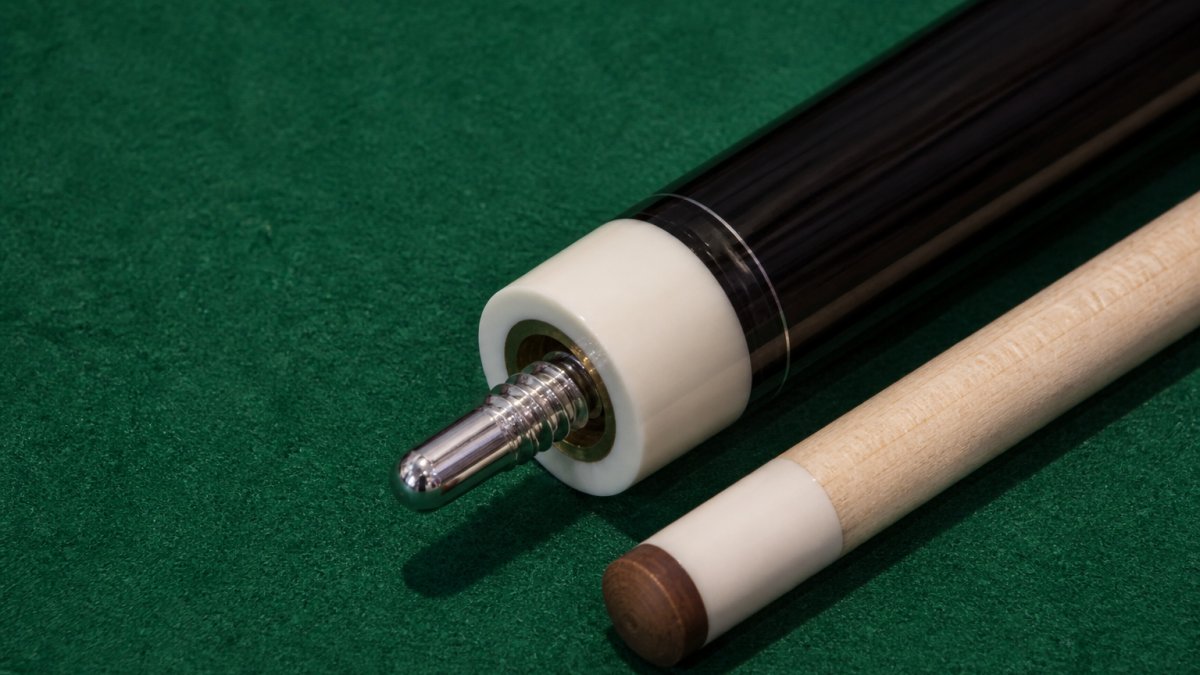
What sets this line apart is restraint: no heavy ornamentation, just a clean cue stick that handles the way a league player needs.
Don't assume the Tournament Series is a beginner cue. It's a working cue, and plenty of experienced players keep one as their main stick for years.
Mike Massey Signature Series Billiard Cue: Collector Details
The Mike Massey Signature Series billiard cue is where the line turns toward collectors. These cues carry more detailed inlays and decorative work, with the signature and printed markings treated as display features rather than branding.
For a collector, the appeal is the presentation as much as the play. Many Signature Series cues get bought, admired, and stored rather than chalked up and run hard, which changes how you evaluate one.
If you plan to shoot with a Signature Series cue, understand you're paying for cosmetics you'll slowly wear off. Buy it because you want to own it, not because it plays better than a Tournament Series stick.
Construction and Specifications That Decide the Shot
Construction is where a Mike Massey pool cue earns or loses its reputation. The specs that matter most are the joint, the shaft wood, and the weight and length: get these right and the cue disappears in your hands, get them wrong and you'll fight it every frame.
Two-Piece Joints, Hardwood, and Maple Shafts
The two-piece design is standard for a reason: it travels well and lets you swap shafts. The butt is typically hardwood for rear weight and stability, while the shaft is maple, the traditional choice for a smooth, consistent hit.
Don't judge a cue by the butt alone. The shaft is what your hand guides, so a maple shaft in good condition matters more than a fancy butt cap. Check the ferrule and tip as carefully as the joint.
Length, Weight, and Balance Points
Most Mike Massey cues land near 57 inches and around 19 ounces, the standard range most players expect.
Weight is the spec people get wrong most often. A cue that feels heavy in the shop can feel sluggish over a long league night, and a light one can leave you over-swinging. Hold the cue before buying if you can; if you can't, lean toward the middle of the range.
Identifying a Genuine Mike Massey Cue
Identifying a genuine Mike Massey cue comes down to the signature, the printed markings, and the small construction details that are hard to fake cleanly. Start with the signature on the butt, then work outward through this checklist, in person or from photos.
The Authenticity Checklist
Work through these in order. A genuine cue should pass all of them; a questionable one usually fails two or three.
- Signature, clear, correctly spelled, and positioned on the butt sleeve where the series places it
- Printed markings, consistent with the series (Tournament or Signature), not a mismatched or invented label
- Series consistency, the markings match the cue's actual construction; a plain butt shouldn't carry Signature Series decoration claims
Where Fakes Actually Fail
Fakes usually fail on the boring details, not the flashy ones. A counterfeit can copy a signature reasonably well, but it rarely gets the ferrule fit, bumper seating, and joint threads all correct at once.
A common pattern is a cue that looks right in a wide photo and falls apart under close-ups. Ask for tight shots of the signature, joint collar, ferrule, and bumper.
Handling Uncertain or Ambiguous Claims
Not every questionable cue is a fake. Some are genuine cues with worn markings, replaced parts, or a seller repeating a story. When the evidence is mixed, sort the cue into one of three buckets:
- Verified, signature and markings match the series, construction details pass, and the seller provides clear close-ups. Price it as the model it is.
- Uncertain, markings are faded, a part has been replaced, or photos are incomplete. Price it as a player cue, not a collector piece, and assume no resale premium.
- Unsupported, the seller claims a series or signature the cue's construction doesn't support, or refuses detail photos. Walk away unless the price reflects a generic cue.
What to Ask a Seller
A short, specific question list does more than a long inspection:
- Can you send close-ups of the signature, joint, ferrule, and bumper?
- Which series is this, and what markings support that?
- Has any part been replaced, and if so, which one?
If the answers are consistent with the photos and construction checks, you can buy with confidence. If they aren't, you have your answer too.
Buying a Used Mike Massey Pool Cue: What to Inspect
A used Mike Massey pool cue can be an excellent value, but only if you inspect it the way a player would. Condition drives everything.
Work through this checklist before you commit:
- Roll the shaft on a flat surface to check for warping
- Inspect the tip and ferrule for cracks or mushrooming
- Check the joint for a tight, wobble-free fit
A cue described as new should show no chalk marks, tip wear, or finish scratches. If it's listed as never used, ask for photos of the tip; an unused tip looks distinctly different from one that's seen table time.
Mike Massey Cue Price: What Drives the Number
Mike Massey cue price is driven by four things: which series it is, its condition, whether it's new or used, and how complete the package is. There's no single number across the line, but here's a framework for reading a listing and deciding whether the ask is reasonable.
How the Factors Stack Up
| Factor | Effect on Price | Why It Matters |
|---|---|---|
| Series | Signature Series tends to sit higher | More detailed inlay and finish work |
| Condition | Worn cues drop sharply | Warp and tip wear are hard to reverse |
| New vs used | New commands a premium | No wear, full life ahead |
| Original packaging | Adds appeal to collectors | Completeness signals care |
| Signature clarity | Faded markings reduce value | Identification depends on it |
Reading a Price Band Instead of a Single Number
Signature-line cues in this family generally trade in a modest range rather than a premium one. A used Tournament Series cue in playable condition sits at the low end, a clean Tournament Series cue with original packaging in the middle, and a Signature Series cue in display condition at the top. The spread between the cheapest and most expensive example of the same model is driven by condition, not rarity.
Sellers often price off the top of the range while describing a cue that belongs at the bottom. When you see an asking price, ask which band the cue actually falls into:
- Player grade, visible chalk marks, tip wear, minor finish scratches, no original packaging. Priced to shoot with.
- Clean used, light table time, intact tip and ferrule, signature fully legible, case or sleeve included. Priced as a keeper.
- Display grade, no chalk marks, no tip wear, original packaging and paperwork intact. Priced for a collector.
Condition Adjustments That Move the Number
A few defects move a price more than everything else combined:
- Shaft warp, the single biggest deduction. Roll the shaft on a flat surface; any visible lift is a hard negotiating point.
- Tip and ferrule damage, a cracked ferrule or a mushroomed tip means immediate replacement cost, so it comes straight off the top.
- Finish lifting or inlay separation, cosmetic on a player cue, serious on a Signature Series cue where the finish is the value.
Resale Value Over Time
For resale, the same logic holds. A Signature Series cue kept in original packaging will hold value better than a Tournament Series cue played hard for years. Neither is a bad buy; they serve different purposes.
Because pricing shifts with condition and availability, treat any single figure online as one data point, not the market. Check current listings and our product pages for live pricing, and use the bands above to judge whether a specific ask is fair.
Care, Compatibility, and Common Mistakes
Caring for a Mike Massey pool cue is mostly about avoiding the mistakes that quietly ruin cues over time.
The mistakes we see most often:
- Leaving a cue in a hot car, which can warp the shaft
- Storing a cue leaning against a wall instead of flat in a case
- Over-chalking and grinding chalk into the ferrule
- Using a cue for breaking, which stresses the joint and tip
Compatibility matters too.
For players building a full setup, a dedicated break cue takes the abuse off your playing cue and keeps the tip and joint in better shape longer.
Finding the right Mike Massey pool cue comes down to matching the series to how you actually play, then verifying condition before you commit.
Frequently Asked Questions
What is the difference between the Mike Massey Tournament Series and Signature Series cues?
The Tournament Series is positioned for regular league and tournament play, with a straightforward two-piece build and standard weight and length options. The Signature Series adds cosmetic detail such as printed markings and signature graphics that appeal to collectors. Both share the same core construction approach, so the choice usually comes down to whether you want a working cue or a display-worthy one.
What should you check when buying a used Mike Massey pool cue?
Inspect the shaft for straightness by rolling it on a flat surface, then check the joint threads for cross-threading or wobble. Look at the ferrule and tip for cracks or compression, and confirm the rubber bumper is intact. Ask for clear photos of any printed markings and the original packaging if the seller claims new condition, since those details affect both playability and resale value.
How much does a Mike Massey cue price usually run?
Pricing depends on the model, condition, and whether the cue is new or used, so there is no single figure that covers every listing. Tournament and Signature Series cues sit in different bands, and used examples trade based on wear and completeness. Check current listings on our product pages for the models in stock rather than relying on older forum posts.
Is a Mike Massey pool cue good for beginners?
A two-piece cue in the 19-ounce range with a standard 57-inch length suits most new players, and the Tournament Series fits that profile. Beginners gain more from consistent weight and a straight shaft than from collector details, so a used Tournament Series cue in good condition is a practical starting point before upgrading to a carbon fiber shaft later.


